Mechanistic interpretabilityComputational neuroscienceNIH · Baltimore, MD

Zhewei Zhang

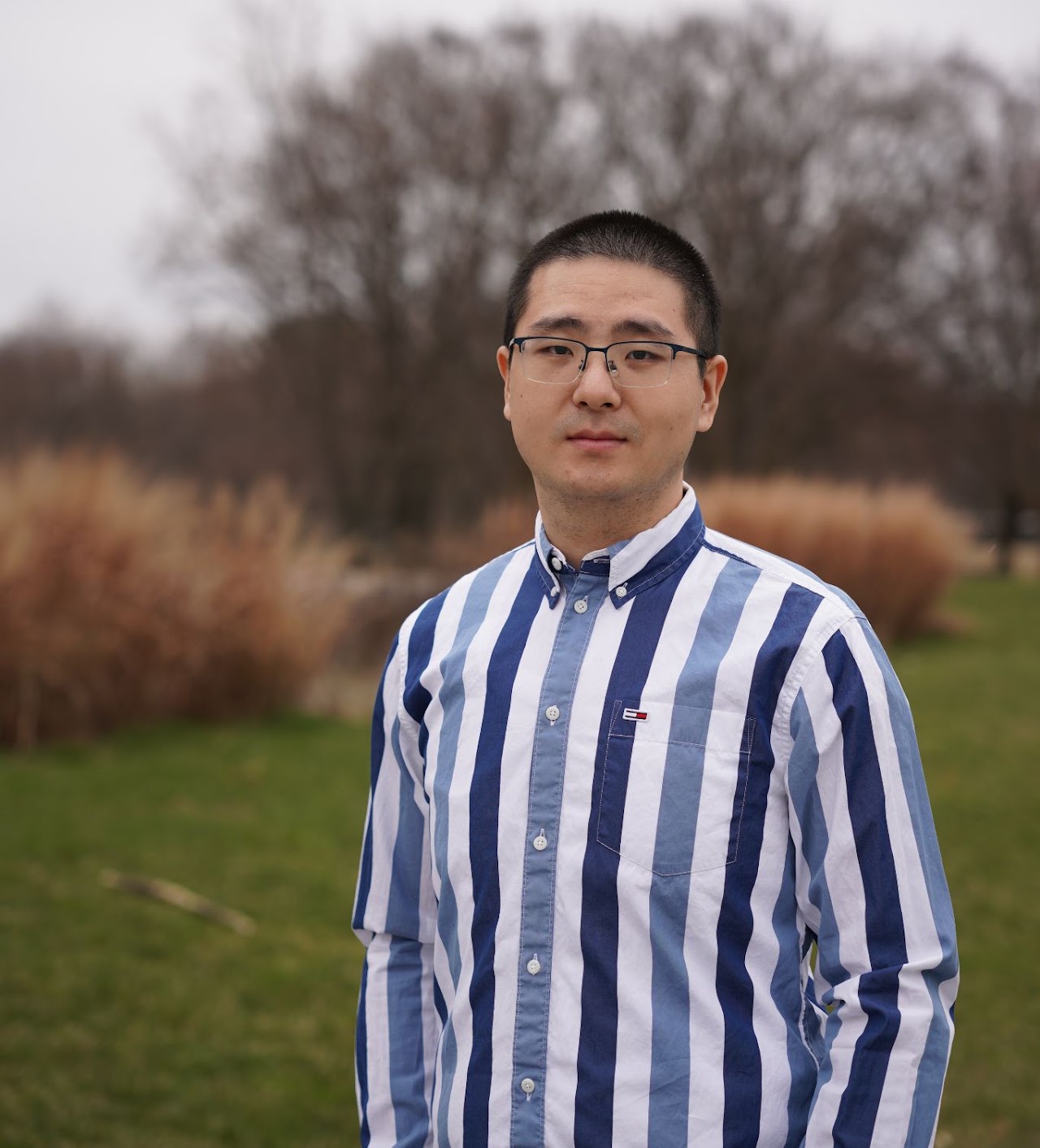
Portrait of Zhewei Zhang

I am a computational neuroscientist at NIH working at the intersection of neuroscience, neural networks, and AI interpretability. I have developed recurrent neural network and reinforcement learning models to investigate the neural mechanisms underlying learning and decision-making. More recently, I have extended this computational perspective to the mechanistic interpretability of language models, using representational analyses, causal interventions, and circuit-level approaches to uncover the internal algorithms that neural networks develop to perform reasoning.

02 / Publications

Selected publications

  1. 2026
    Under review · ICLR 2027

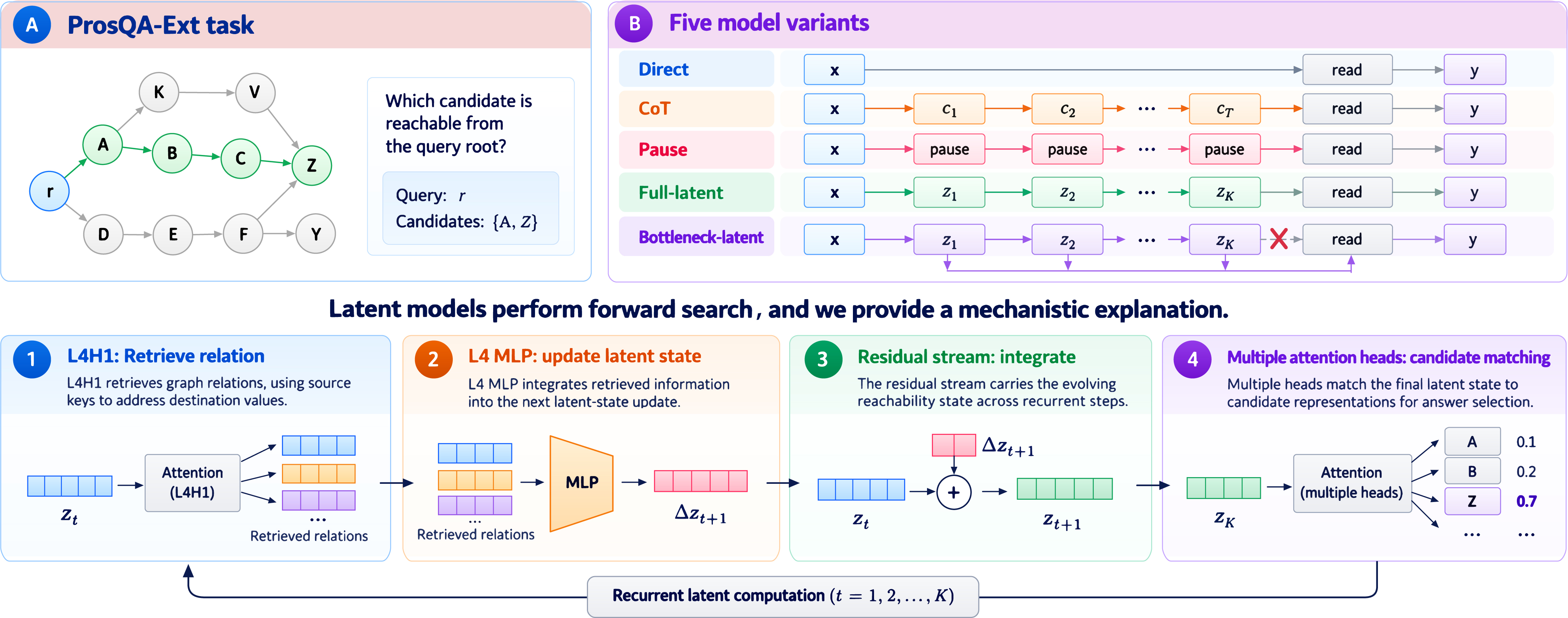
    Not All Thinking Is Created Equal: Latent Reasoning Discovers a Recurrent Search Algorithm for Depth Generalization

    Cheng & Zhang

  2. 2025
    Trends in Cognitive Sciences

    The devilish details affecting TDRL models in dopamine research

    Zhang, Costa, Langdon & Schoenbaum

  3. 2025
    Current Biology

    Dopamine and acetylcholine correlations in the nucleus accumbens depend on behavioral task states

    Costa* & Zhang* et al. · co-first authors

  4. 2024
    Nature Communications

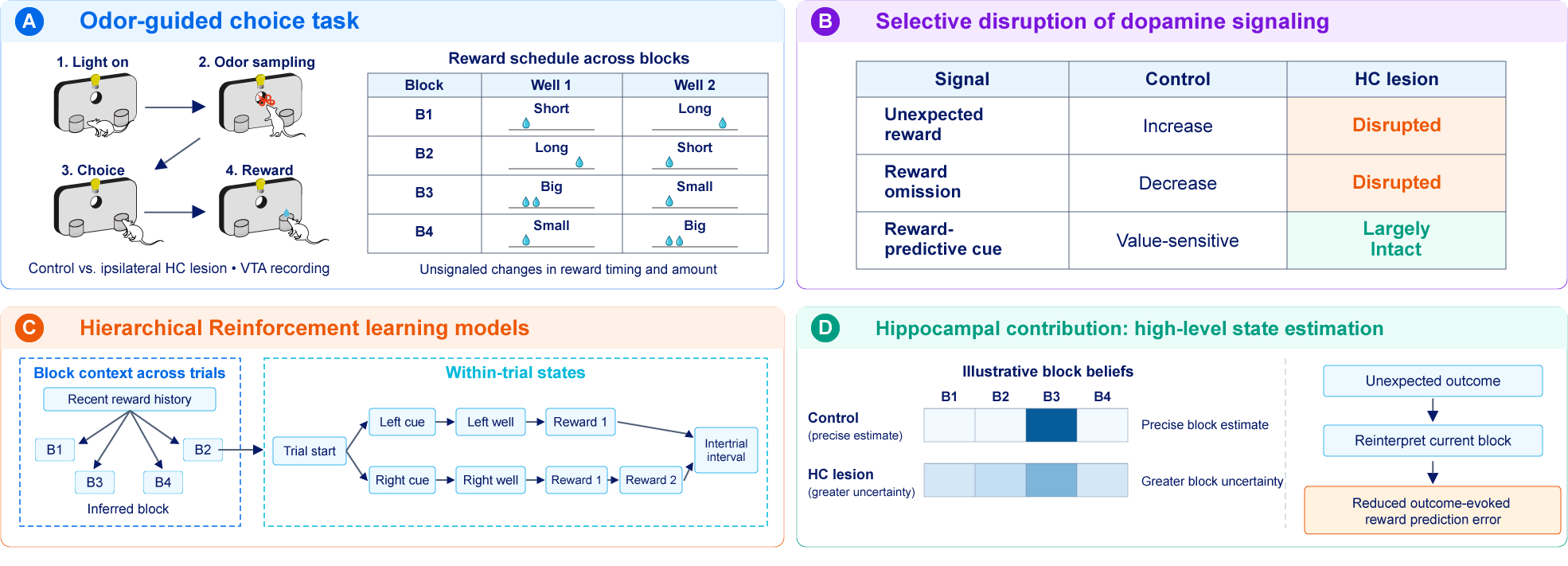
    Expectancy-related changes in firing of dopamine neurons depend on hippocampus

    Zhang* & Takahashi* et al. · co-first authors

  5. 2022
    Nature Communications

    Evidence accumulation occurs locally in the parietal cortex ↗

    Zhang, Yin & Yang

  6. 2020
    PLOS Computational Biology

    A recurrent neural network framework for flexible and adaptive decision making based on sequence learning ↗

    Zhang, Cheng & Yang

  7. 2018
    PLOS Computational Biology

    A neural network model for the orbitofrontal cortex and task space acquisition during reinforcement learning ↗

    Zhang* & Cheng* et al. · co-first authors